Claude Have Mercy! is a live event about AI and jobs. It tells the long story of our work and the tools we’ve built to do it, then asks what that story means for us now.
Every information technology changed who did the work. The printing press was no exception.
The big idea
Tools that save us, and tools that cost us.
The flint, the plough, the horse, the typewriter. Our tools have always filled in something we lack, and that’s no bad thing. Nobody misses dull, dirty or dangerous work.
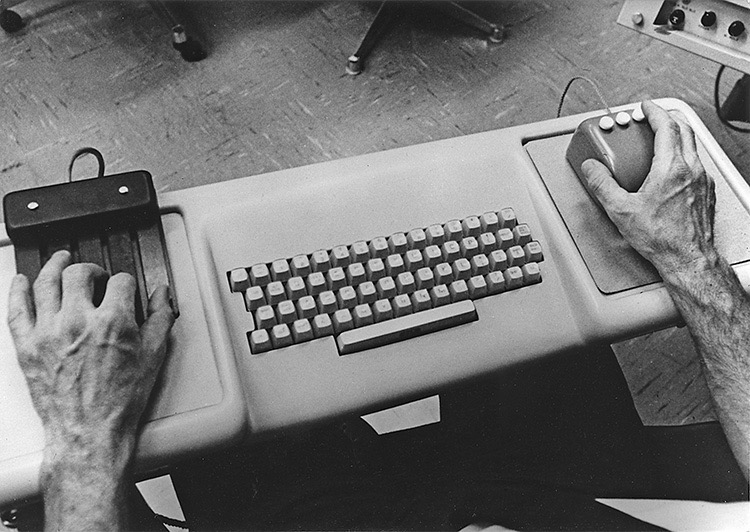
But we’ve also long dreamed of tools that would redeem us, saving us from our own failings. That’s why so much of AI’s history is tangled up with war, trauma and anxiety about human frailty. After the first atomic test, Vannevar Bush imagined a memory machine that might help end war. Two decades later, Douglas Engelbart demonstrated a system for “augmenting human intellect”. When Marvin Minsky promised to make machines intelligent, Engelbart asked a better question: what are you going to do for the people?
From Faustus, who summoned a demon because learning was taking too long, to today’s tech leaders talking openly about building gods, the event traces a very old desire and asks the question that always gets missed: who pays the price?
The journey
Five stops on the way to now
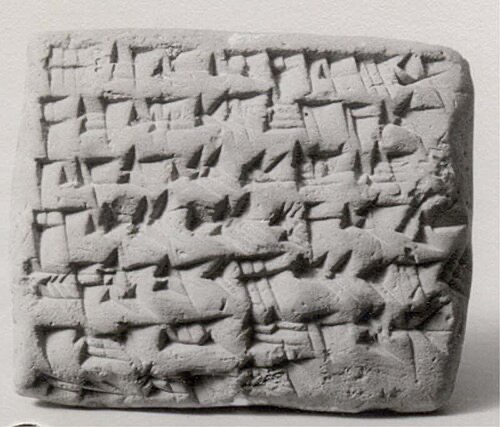
c. 3000 BCE
Clay
Writing: the first technology for storing what we know outside our heads.
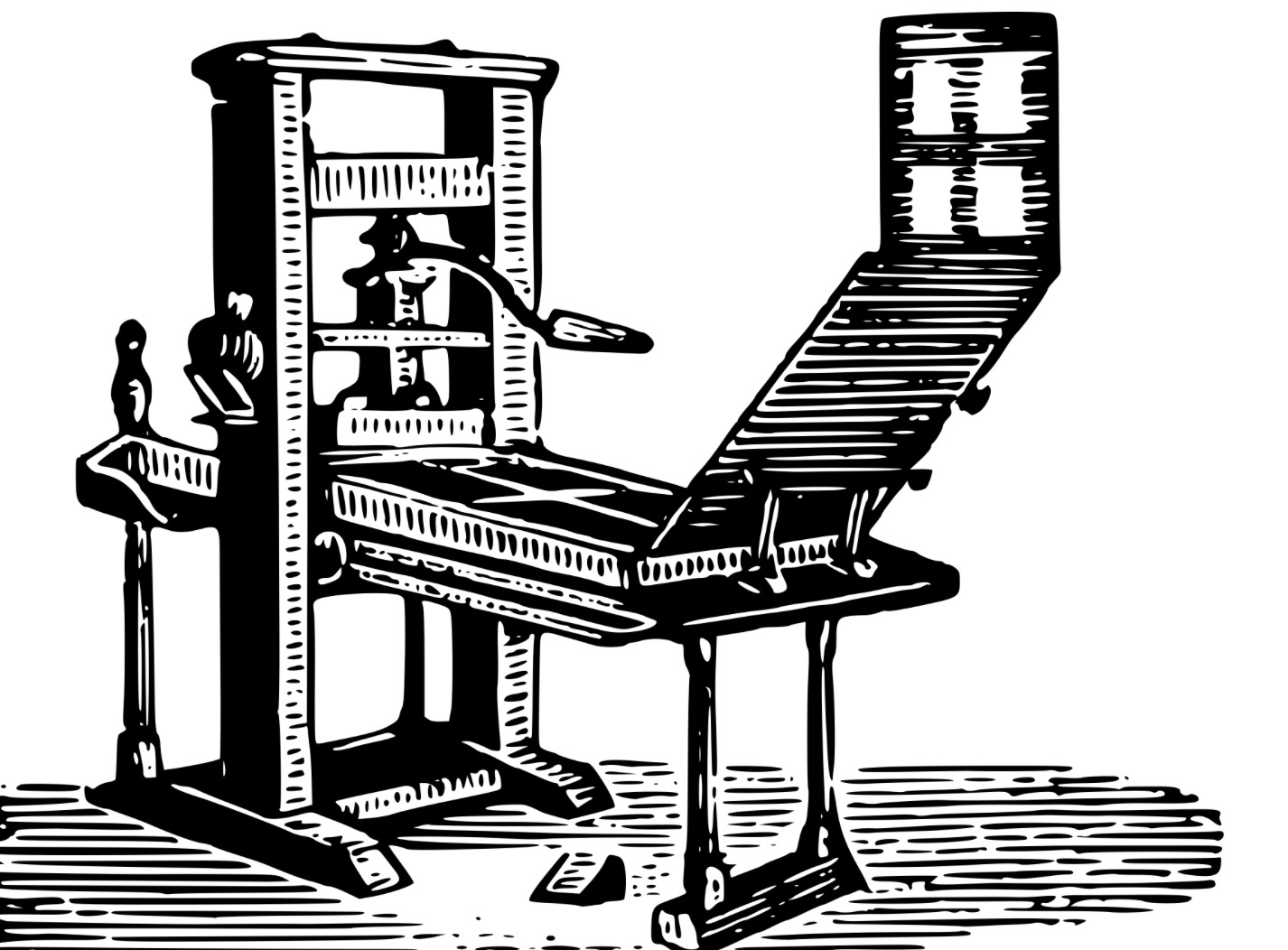
c. 1440
The press
Knowledge at scale, along with new jobs, lost jobs and plenty of moral panic.
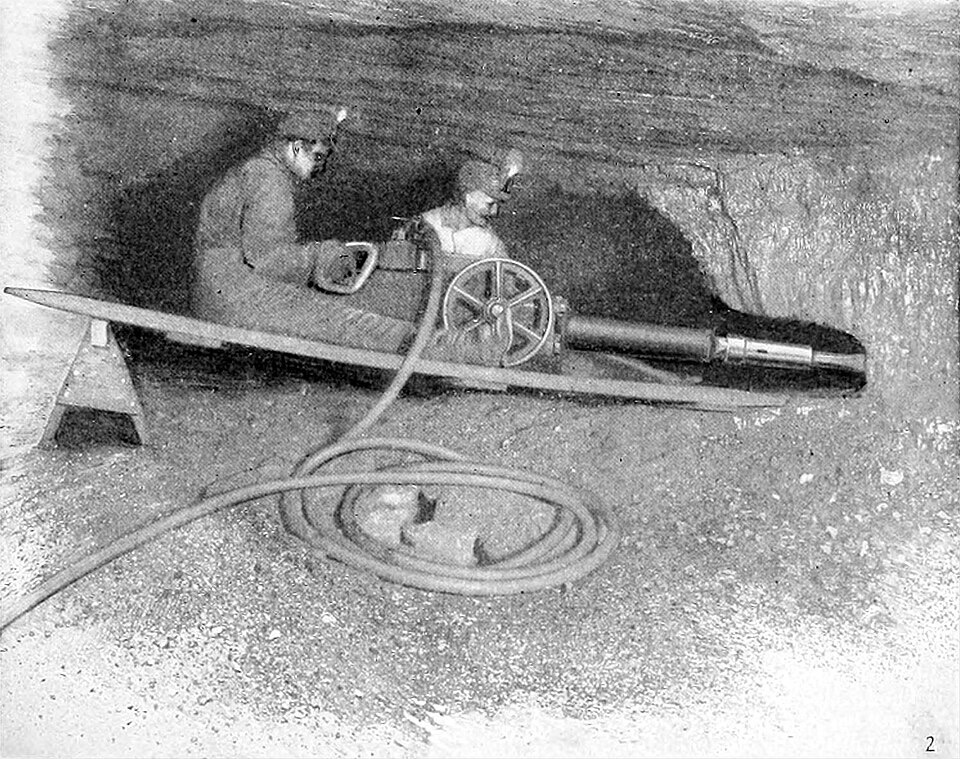
1905
The pit
New machines, new dangers. Every technology has a social side.
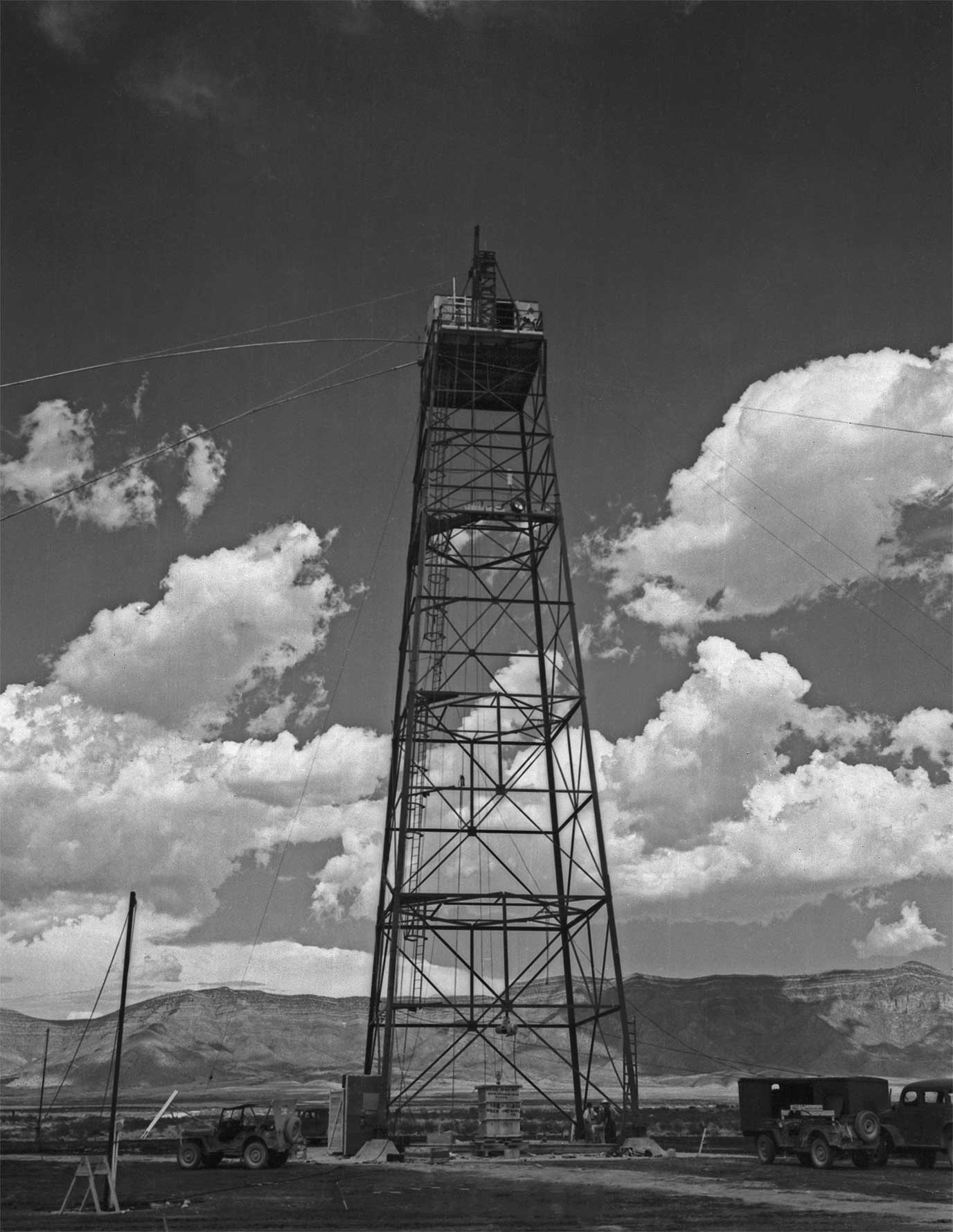
1945
Trinity
After the bomb, a dream of machines that might help us remember and stop war.
1968
The demo
Engelbart shows off the mouse, hypertext and a question for people, not machines.
What audiences leave with
Perspective, not panic.
The long view
Why today’s AI feels so new, and why it’s actually rooted in some very ancient desires.
A sharper vocabulary
The words and ideas to question AI claims rather than simply swallowing or dismissing them.
Honest talk on jobs
What the research really says about work, from the Institute for the Future of Work.
Something to do
Practical steps for students, staff, organisations and anyone wondering what to do next.
Formats
One story, four ways to tell it
Every session is tailored to the room, from Year 7 to the boardroom to the back of the pub.
30 min
School assembly
A lively whole-year or whole-school talk, followed by questions from students.
Ideal for: Year groups, sixth form, whole-school assemblies
1–2 hours
PSHE session & workshop
A talk plus hands-on discussion that gets students thinking about their own time, skills and future.
Ideal for: PSHE, careers and enrichment days
30 min
Conference keynote
A story-led keynote with the option of a Q&A or an on-stage conversation.
Ideal for: Festivals, conferences, away-days
2 hours
An evening of Claude Have Mercy!
The full, relaxed, bar-based session. Talk, conversation and plenty of audience questions.
No. It’s informed, not alarmist. Kester works on how new technology is changing work and wellbeing, and the session is honest about both the promise and the costs. People leave better able to think for themselves.