The event
The story of AI is older than you think.
Claude Have Mercy! gets to the heart of what is happening with AI and jobs. It tells the long story of our work and the tools we’ve built to do it, then asks what that story means for us now – especially in the context of falls in entry-level roles, and the rising NEET crisis.

The big idea
Tools that save us, and tools that cost us.
The flint, the plough, the typewriter, the telephone. All technologies amplify our ability to act in the world – extending what we are able to do.
But they are reach back into the heart and ask us: what do you want to do with this extra power? This is what we got so wrong with social media: a huge amplification of technical abilities, that wasn’t matched by proper reflection and questioning together on what the social impacts might be. We cannot afford to make that mistake again.
In the 195os, AI pioneer Marv Minsky excitedly proclaimed, ‘we’re going to make machines intelligent, we’re going to make them autonomous!’ To which Doug Engelbart replied, ‘what are you going to do for the people?‘
From Faustus, who summoned a demon because learning was taking too long, to today’s tech leaders talking openly about building gods, Claude Have Mercy! traces this ancient tension between investing in machines and empowering people, and throws that question back to the tech bros: what are you going to do for the people?
The journey
Five stops on the way to now
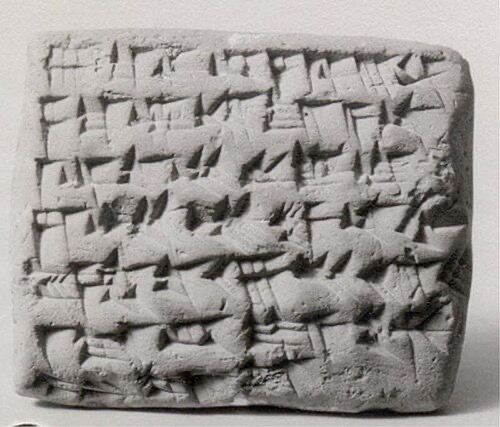
c. 3000 BCE
Clay tablets
Writing: the first way of transferring and storing data.
c. 1440
The press
Knowledge at scale, along with new jobs, lost jobs, Englightenment and Reformation.
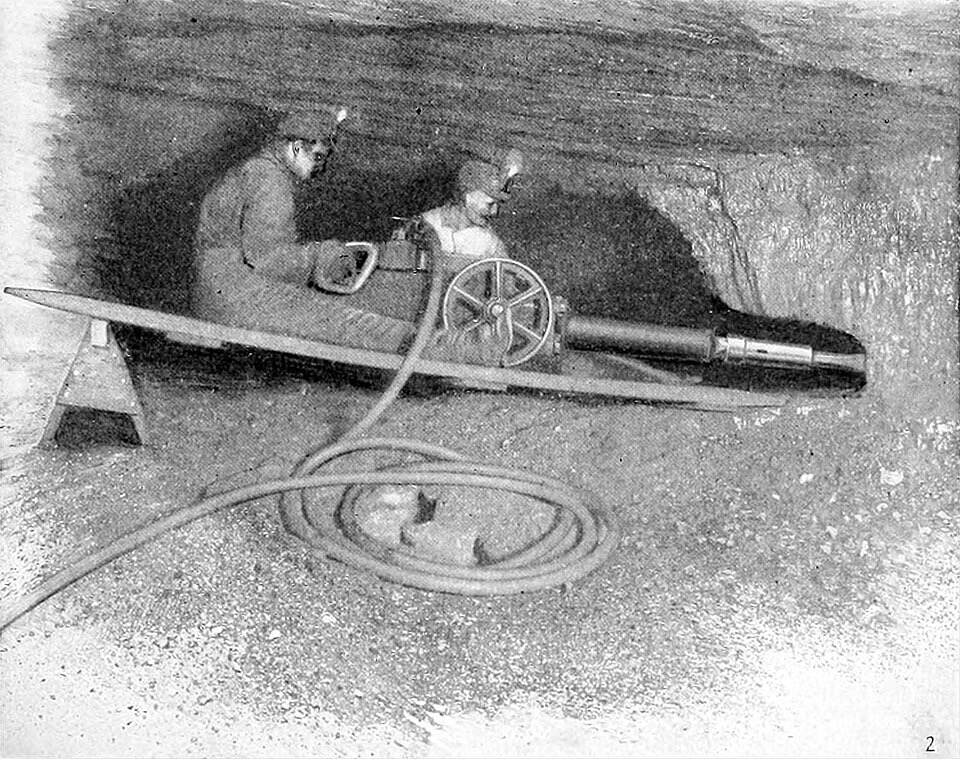
1905
The pit
New machines… but new social arrangements. How can we co-optimise technical and social capabilities?

1945
Trinity
Having been there at the Trinity test, America’s leading scientist dreams of ‘the Memex’ a machine to deliver peace.

1968
The demo
Committing his life to building the Memex, Doug Engelbart ‘deals lightning with both hands’ as he delivers the Mother of all Demos.
What audiences leave with
Perspective, not panic.
The long view
Why AI is rooted in ancient desires, and how it rose from early machines.
A sharper vocabulary
The words and ideas to question AI claims rather than simply swallowing or dismissing them.
Honest talk on jobs
What the research really says about work, getting behind the headlines to what the evidence really says.
Something to do
Practical, optimistic steps for action, rooted in evidence and expert insights.
Formats
One story, four ways to tell it
Form room, boardroom, conference hall, the pub’s upstairs room – every session is tailored to your space.
30 min
School assembly
A lively whole-year or whole-school talk, followed by questions from students.
Ideal for: Year groups, sixth form, whole-school assemblies
1–2 hours
PSHE session & workshop
A talk plus hands-on discussion that gets students thinking about their own time, skills and future.
Ideal for: PSHE, careers and enrichment days
30 min
Conference keynote
A story-led keynote with the option of a Q&A or an on-stage conversation.
Ideal for: Festivals, conferences, away-days
2 hours
An evening of Claude Have Mercy!
The full, relaxed, bar-based session. Talk, conversation and plenty of audience questions.
Ideal for: Hosts bringing the event to their city
Good questions
Frequently asked
Is the talk anti-AI?
Absolutely not. Delivered from real expertise, it’s innovation positive, but also rooted in the need to avoid the huge societal costs that previous technological transformations have left us with.
Do audiences need to know anything about AI?
Not at all. It’s pitched so that a Year 8 student and a CTO can both get something out of it. No jargon, and no slides full of text and code.
What do you need from us?
A screen or projector with HDMI, and a microphone for larger rooms. For evening events, a venue with space for people to sit, drink and talk.
Can the session be tailored?
Yes. Every booking starts with a conversation about your audience, what they’re worried about and what you’d like them to leave with.
Where are you based? Do you travel?
Kester is based in London and travels across the UK.
How much does it cost?
Cost depends on the format, audience and location. Some events are paid ticketed events, some via a modest honorariaum, some from training budgets. Send an enquiry and you’ll get a clear, no-nonsense quote.
Book Kester
Ready to bring the story to your audience?
Tell us who they are and what they’re asking about AI, and we’ll find the right format.